|
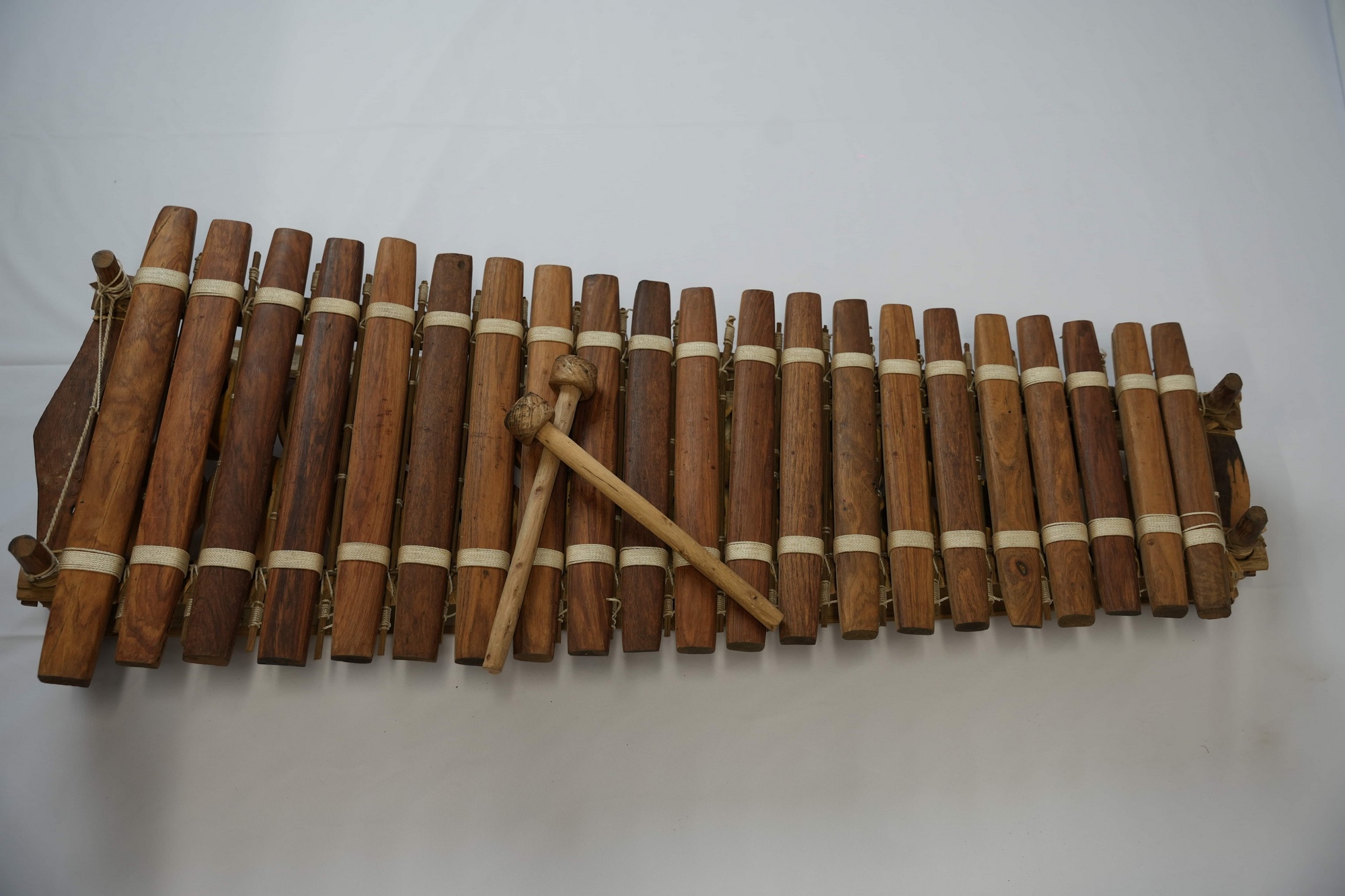
Balafon Instrument
The balafon is a traditional West African percussion
instrument, essentially a wooden xylophone with
gourd resonators that amplify its rich, resonant tones,
historically significant in the Mali Empire and played
with mallets for ceremonies, celebrations, and
storytelling
The balafon is a traditional West African melodic
percussion instrument, often described as the
ancestor of the modern xylophone. It is deeply rooted
in the cultures of the Mandé peoples of countries
such as Mali, Guinea, Burkina Faso, Côte d’Ivoire,
Senegal, and The Gambia, where it holds both
musical and cultural importance.
Construction
The balafon consists of a series of wooden keys
(usually made from rosewood or other hardwoods)
arranged from long to short and mounted on a
wooden frame. Beneath each key hangs a calabash
gourd resonator, traditionally fitted with thin
membranes made from spider egg sacs or modern
materials. These membranes create the balafon’s
distinctive buzzing, vibrant tone.
Playing style
The instrument is played with two padded wooden
mallets, producing rich, resonant melodies. Balafon
music features interlocking patterns, improvisation,
and polyrhythms, often performed by multiple players
or in dialogue with drums and singers.
Types
Pentatonic balafon – Common in Mali and Guinea,
used in ancient Mandé traditions
Heptatonic balafon – Found in Burkina Faso and Côte
d’Ivoire, tuned to seven-note scales
Cultural significance
The balafon is closely associated with griots
(jeliw)—traditional historians, storytellers, and
musicians. It is used to preserve oral history, praise
families, recount genealogies, and mark important life
events such as weddings, naming ceremonies, and
royal celebrations.
Symbolism
The balafon symbolizes knowledge, memory,
harmony, and ancestral wisdom. In Mandé tradition, it
is believed to carry the voices of ancestors and
serves as a bridge between past and present.
Overall, the African balafon is a powerful expression
of musical sophistication, cultural identity, and
historical continuity, blending rhythm and melody into
a timeless West African art form.
|
|
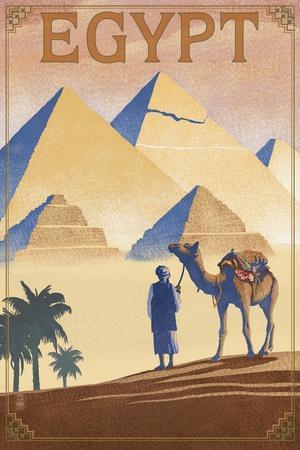
Trip to Egypt
Step into the pages of history with an unforgettable 5-night Egyptian Pyramid Adventure for two. This extraordinary travel package invites you to experience the magic of ancient Egypt, where timeless wonders, vibrant culture, and legendary landmarks await.
Your journey includes five nights of accommodations for two, with daily breakfast to start each day refreshed and ready to explore. From the awe-inspiring Great Pyramids of Giza and the enigmatic Sphinx to the rich sights, sounds, and flavors of Egypt’s historic cities, this trip offers a perfect blend of adventure, discovery, and relaxation.Whether you’re walking in the footsteps of pharaohs, capturing breathtaking desert views, or immersing yourself in one of the world’s oldest civilizations, this package promises memories that will last a lifetime.
Highlights:
- 5-night stay for two in EgyptDaily breakfast includedIconic pyramid and ancient history experience
|
|
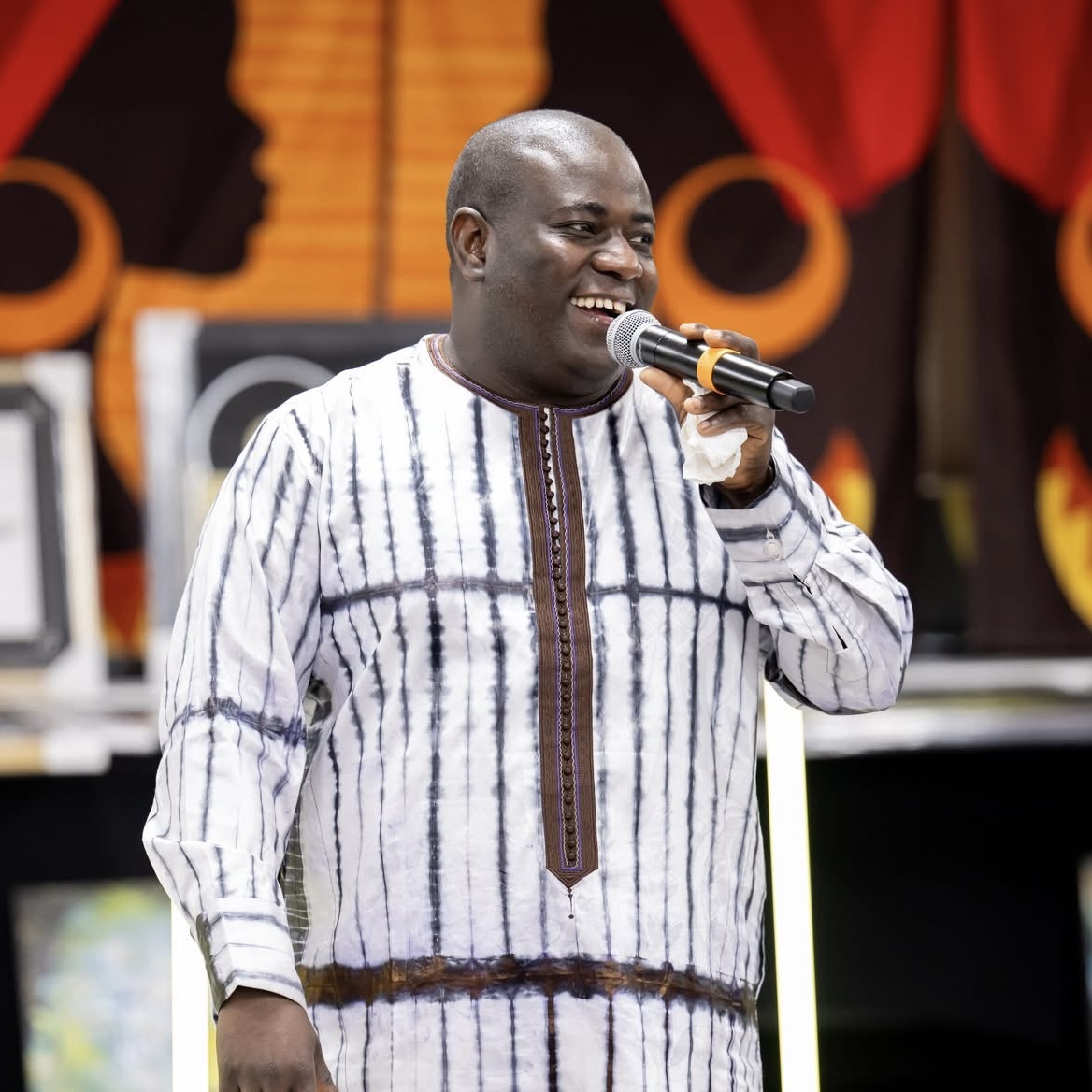
Dinner with Pa
A Taste of West Africa: A Cultural Dinner Experience with Executive Director Pa Ousman Joof
Dinner with the Executive Director of the Washington West African CenterThis exclusive auction package offers more than food — it is an immersive West African culinary and cultural experience, shared over dinner with the Executive Director of the Washington West African Center.The winning bidder will enjoy a custom West African meal of their choice, prepared in the traditional way, featuring some of the most celebrated dishes across the region. Jollof Rice – The Dish That Divides a ContinentJollof/Djolof rice is the most famous West African dish — and also the most debated. Nigerians, Ghanaians, Gambians, Senegalese, and many others all proudly claim to make the best version.But the roots of jollof/Djolof trace back to the historic Jollof/Djolof region of Senegal, home of the Wolof people, where the dish originated. UNESCO has recognized Senegal as the custodian of jollof rice, and to add a friendly twist to the rivalry, Gambian Jollof has won the regional Jollof competitions multiple years in a row.If jollof is your choice, expect bold flavor — and even bolder conversation.Attiéké (Ah-chee-kay) – The Pride of Côte d’IvoireOriginating from Ivory Coast, Attiéké is a beloved West African staple made from fermented cassava, often compared to couscous in texture but completely unique in flavor. Light, fluffy, and refreshing, it’s traditionally served with fish or meat and vibrant sauces. Attiéké is not just food, it’s Ivorian identity on a plate.African Peanut Butter Sauce – Not Your PB&JIn America, peanut butter is best known for PB&J sandwiches. In West Africa, peanut butter is transformed into a rich, savory soup or sauce, eaten with rice and traditional grains like couscous, fonio (findi), and chere.This dish is widely known for its nutritional and medicinal benefits and has even been featured on Dr. Oz’s show over 10 years ago, with many health experts highlighting its value. It’s comforting, filling, and deeply rooted in West African kitchens.Fufu with Egusi Soup – A West African ClassicFufu, paired with egusi soup made from ground melon seeds, is one of the most iconic dishes across West Africa, especially popular in Nigerian and Ghanaian households but enjoyed throughout the region. Rich, hearty, and deeply satisfying, it’s a dish that brings families together. Fufu is trending a lot especially on TikTok and other social media. Other Traditional Dishes Available Upon RequestThe meal can be customized, with proteins such as lamb, beef, chicken, or fish, depending on the selected dish.Beyond the food, this dinner offers stories, laughter, and cultural exchange — a chance to learn about West Africa, community leadership, migration journeys, and the impactful work of the Washington West African Center, all around a shared table.This is not just dinner. It’s history, heritage, and hospitality — served one plate at a time
|
|
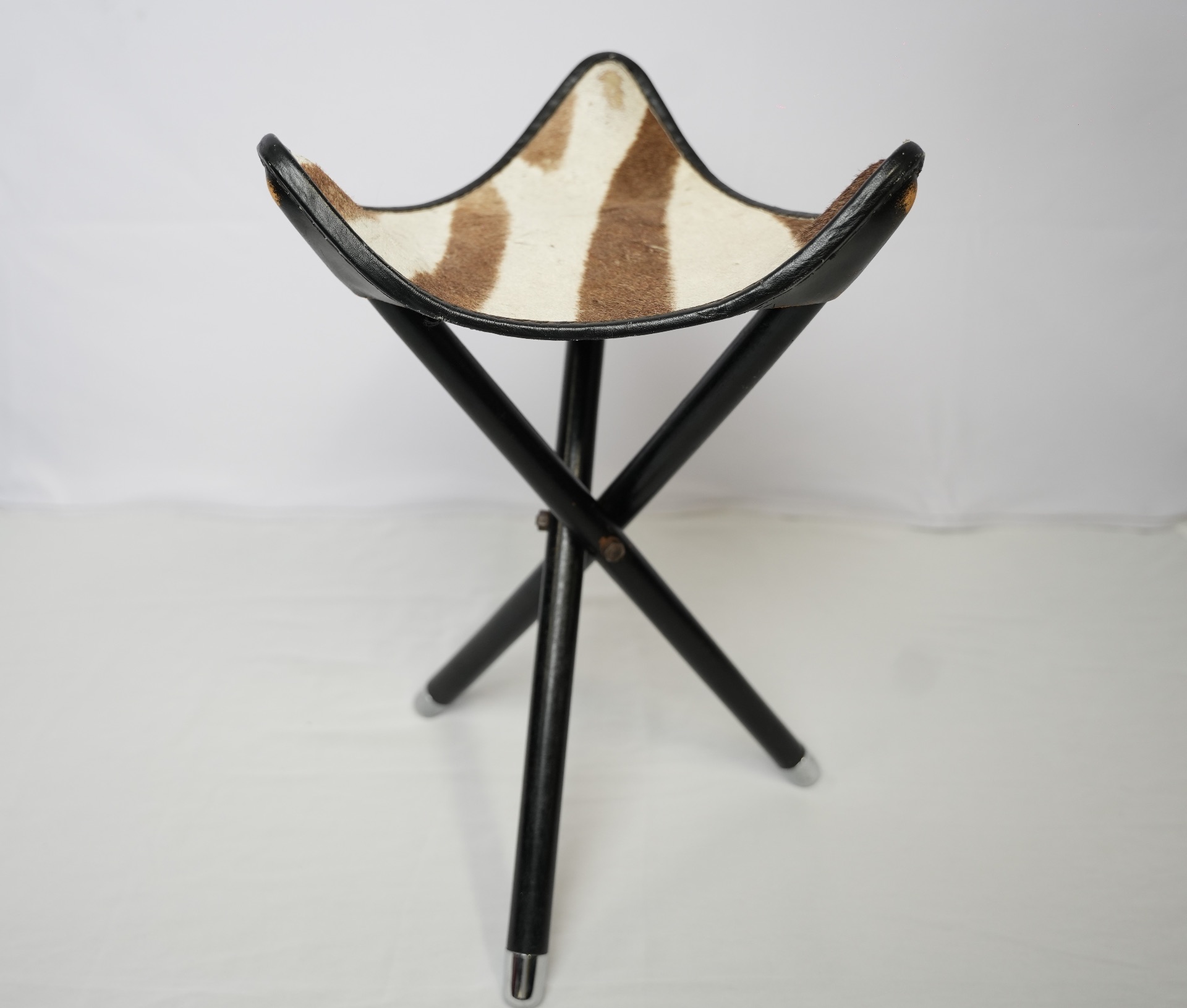
Zebra Tri leg Hunting Stool. Collapsible black wood rods brass cleats
This distinctive tri-leg hunting stool features a
striking zebra-pattern hide seat stretched over a
sturdy folding frame. Designed for both function and
visual appeal, the stool rests on three black-stained
wooden rods that cross and pivot smoothly, allowing
the piece to collapse flat for easy transport or
storage.
The seat is contoured and reinforced with dark trim
along the edges, providing comfort and durability.
Each leg terminates in brass cleats, adding a refined
accent while enhancing stability and wear resistance.
The natural hide displays unique striping, ensuring no
two stools are exactly alike.
Originally intended as a portable hunting or camp
stool, this piece now serves equally well as a
decorative accent, conversation piece, or
functional seating in a lodge, study, cabin, or
safari-inspired interior.
Features:
● Collapsible tri-leg design
● Zebra-pattern hide seat
● Black wood rods
● Brass cleats at feet
● Portable and space-saving
● Rustic, safari, and hunting lodge aesthetic
Condition:
Good vintage condition with light wear consistent with
age and use. Natural variations in the hide arepresent and expected.
A rare and eye-catching piece that blends rugged
utility with classic hunting style—ideal for collectors,
decorators, or anyone seeking a unique functional
accent.
|
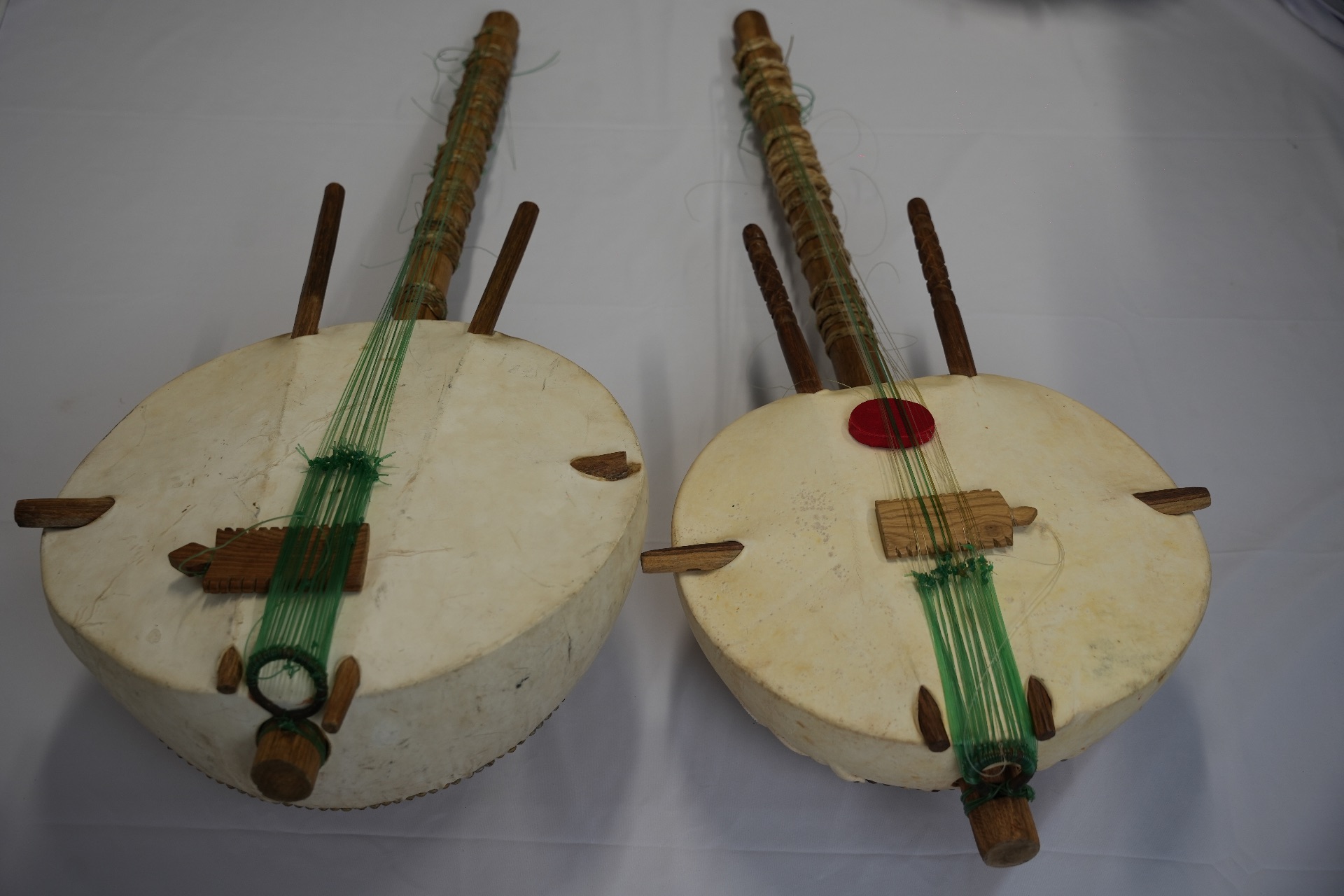
|
KORA
A kora typically has 21 strings, which are played by
plucking with the fingers. It combines features of
the lute and harp.
Kora players have traditionally come from Jali/Griot
families (also from Mandinka tribes) who are
traditional historians, genealogists, and storytellers
who pass their skills on to their descendants.
The Kora is a traditional West African stringed
instrument known for its harp-like sound and its
central role in the musical and cultural traditions of
the Mandinka (Mande) peoples of countries like
Mali, Senegal, Guinea, The Gambia, and Burkina
Faso. It is often associated with griots (jeliw), the
hereditary musicians and storytellers who preserve
history, genealogies, and oral traditions.
Construction
Body: Made from a large calabash gourd cut in half and covered with cowhide to form a resonator.
Neck: A long hardwood stick extends through the
gourd, supporting the strings.
Strings: Traditionally 21 strings, arranged in two
parallel rows (left and right hands) and made from
nylon fishing line or historically from thin strips of
hide.
Bridge: Small notched bridge elevates the strings,
creating the instrument’s distinctive harp-like tone.
Playing style
Played seated, with the instrument resting on the
player’s lap or between the knees.
The player plucks the strings with the thumb and
index fingers of both hands.
Produces melodic, flowing arpeggios and
polyrhythmic patterns, often accompanying singing
or storytelling.
The Kora’s sound is soft, ethereal, and melodic,
capable of both solo performance and ensemble
interplay with drums and vocals.
Cultural significance
The Kora is closely tied to griot traditions, used to
transmit oral history, praise songs, and moral
stories.
Featured in ceremonial events like weddings,
naming ceremonies, festivals, and royal courts.
Serves as both a musical instrument and a cultural
symbol, linking generations and communities
|
