|
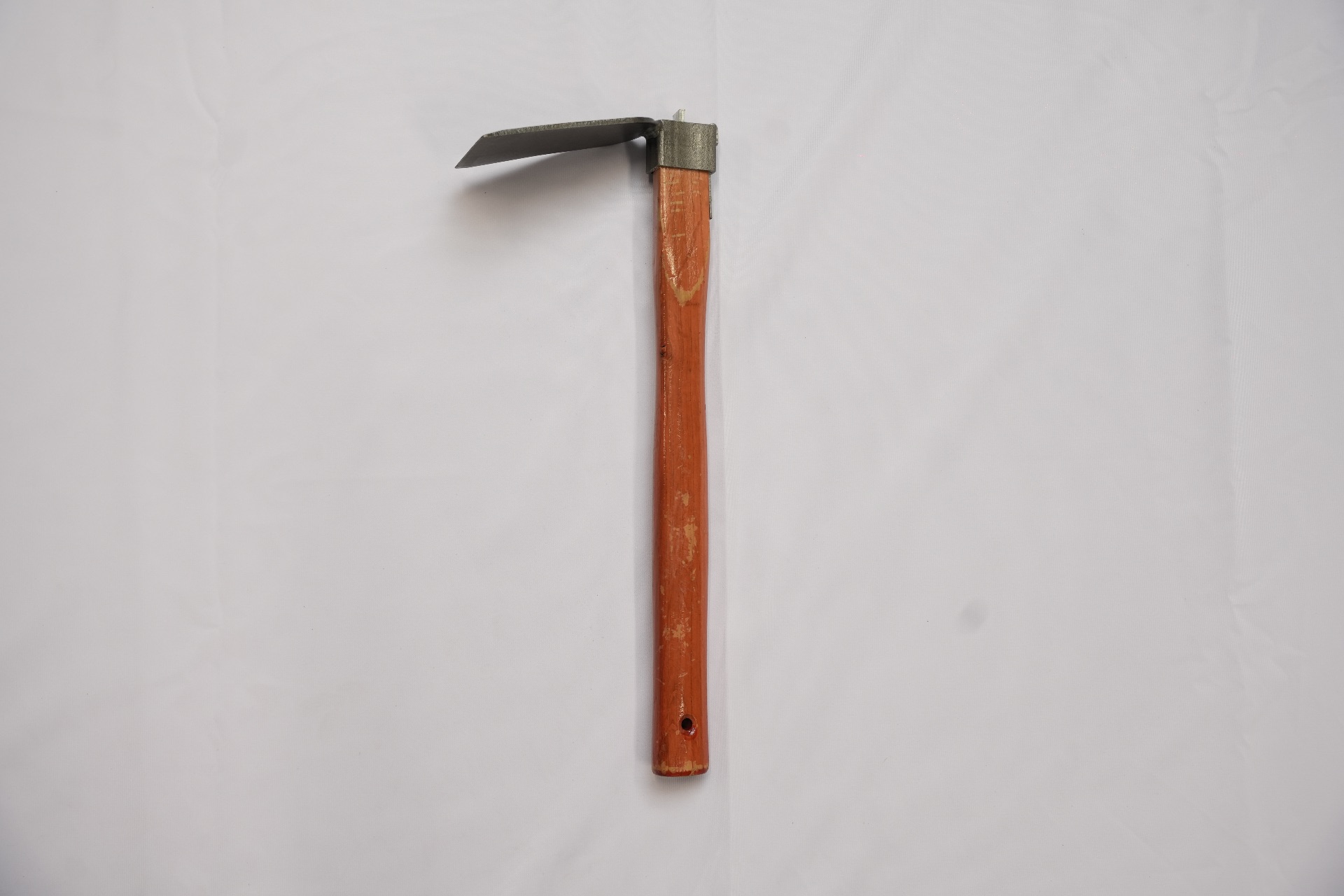
Akuma/Sika Akuma Handcrafted Ashanti axe
This handcrafted axe, represents a symbol of power and potential war, used in diplomacy or conflict, representing readiness to fight if negotiations failed, embodying both peace and war for the Asante Kingdom, as seen in royal regalia and historical accounts of its importance.Whether displayed as an artifact or admired as a work of art, this ashanti axe commands presence and respect, embodying the spirit of West African Material culture
Value: $220.00
|
|
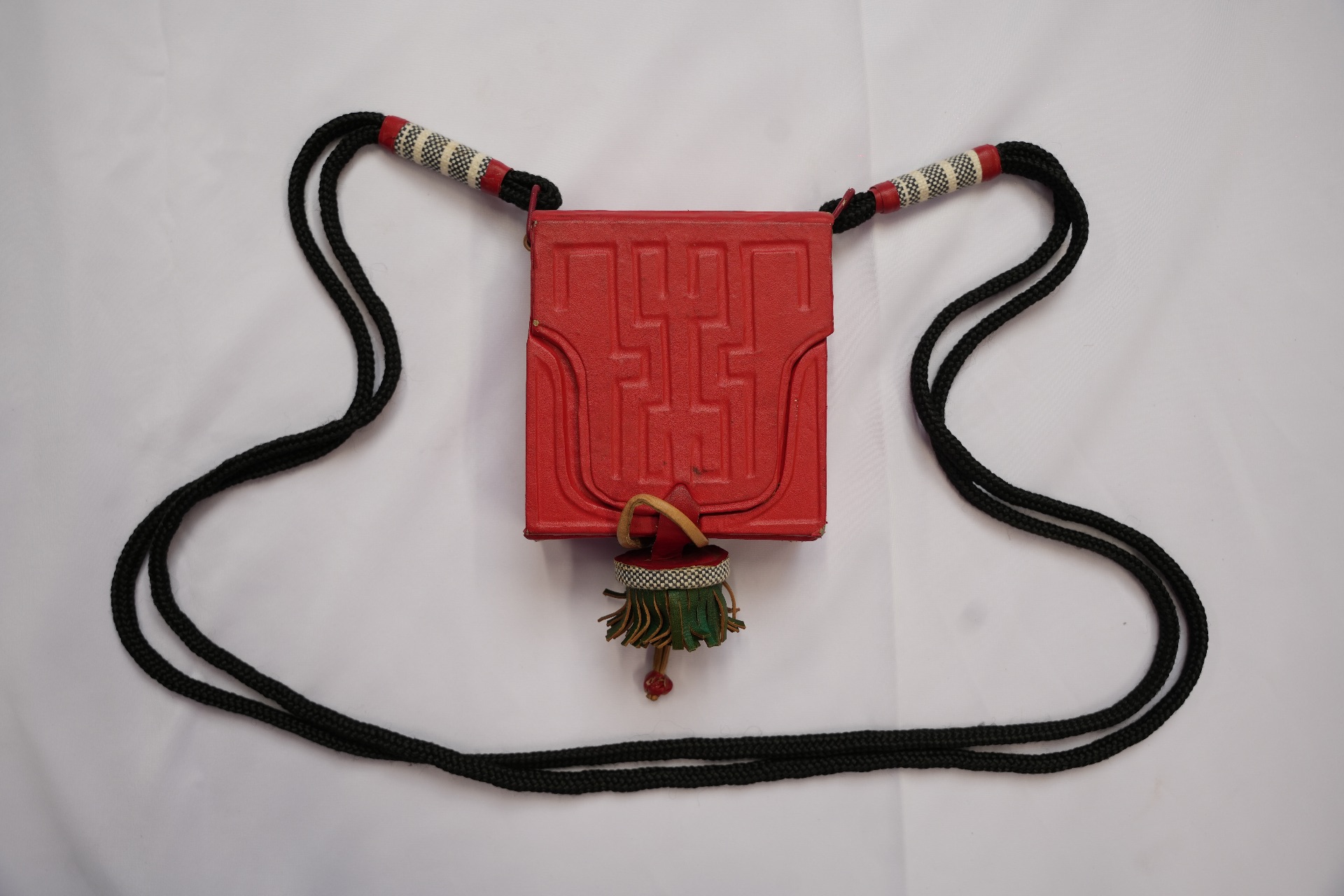
Ta'Wiz
A Small Carved leather case on a cord that is worn as a necklace. Typically holds Qur'anic verses, or herbal charms, and is worn around the neck for protection. Worn for protection, blessing, health, luck, fertility, or to ward off evil; often prepared by a Spiritual Specialist (Marabout/Imam) and usually carries strong personal or religious meaning.
Value: $150.00
|
|
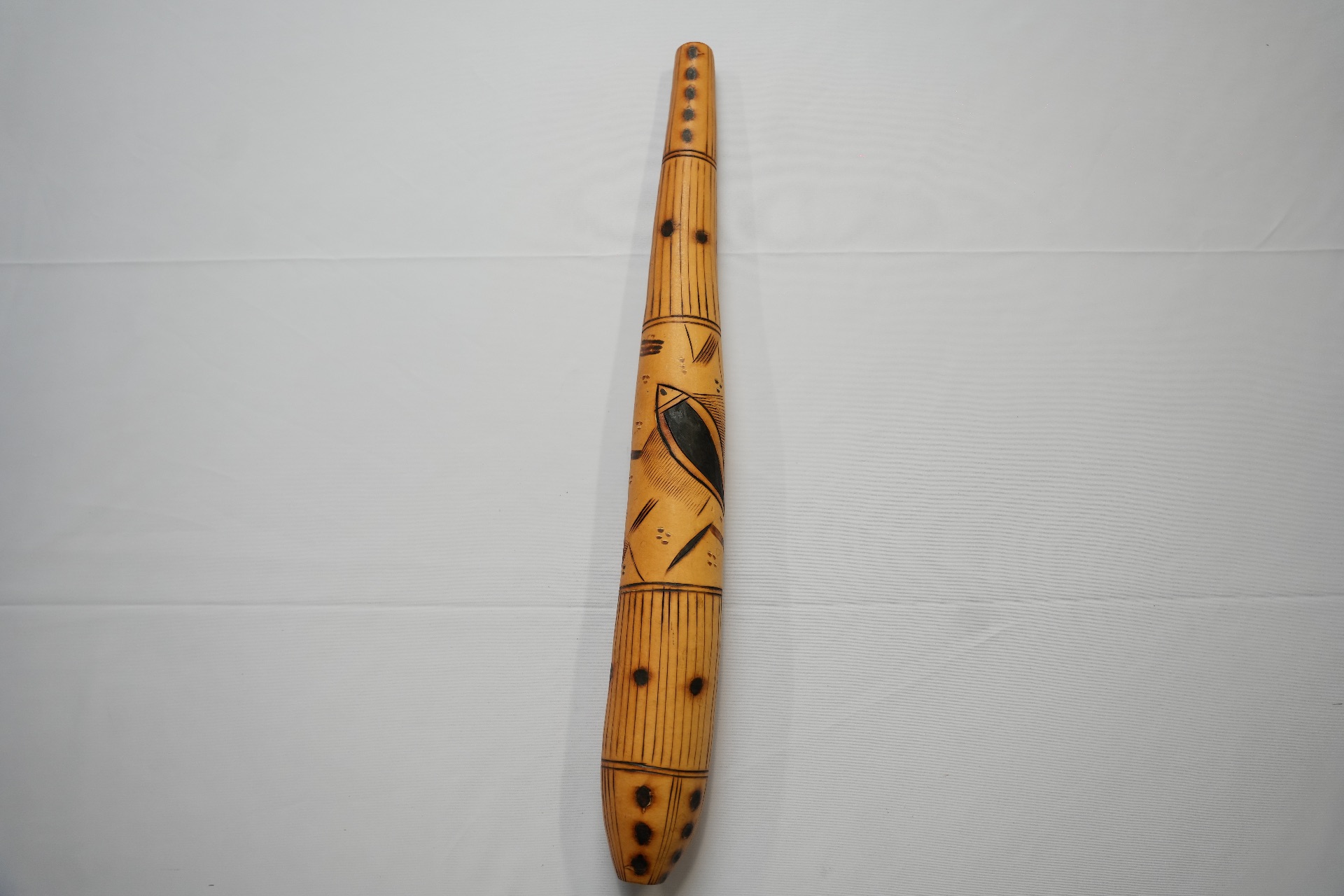
Hand crafted OJA
This is a traditional, hand-carved wooden flute from the igbo people of Nigeria, Known as the “talking flute” for its expressive tone in mimicking speech, used in story telling ceremonies, often made from premium hardwoods like iroko or mahogany. These artisanal instruments feature carved holes for finger placement and produce dynamic melodies, serving as significant cultural artifacts and musical tools. As both a functional flute and a cultural artifact this Oja embodies the voice of tradition, making it an exceptional piece for musicians, collectors and lovers of African Heritage.
Value: $120.00
|
|
|
A hand crafted ‘ogun’
Value: $250.00
|
|
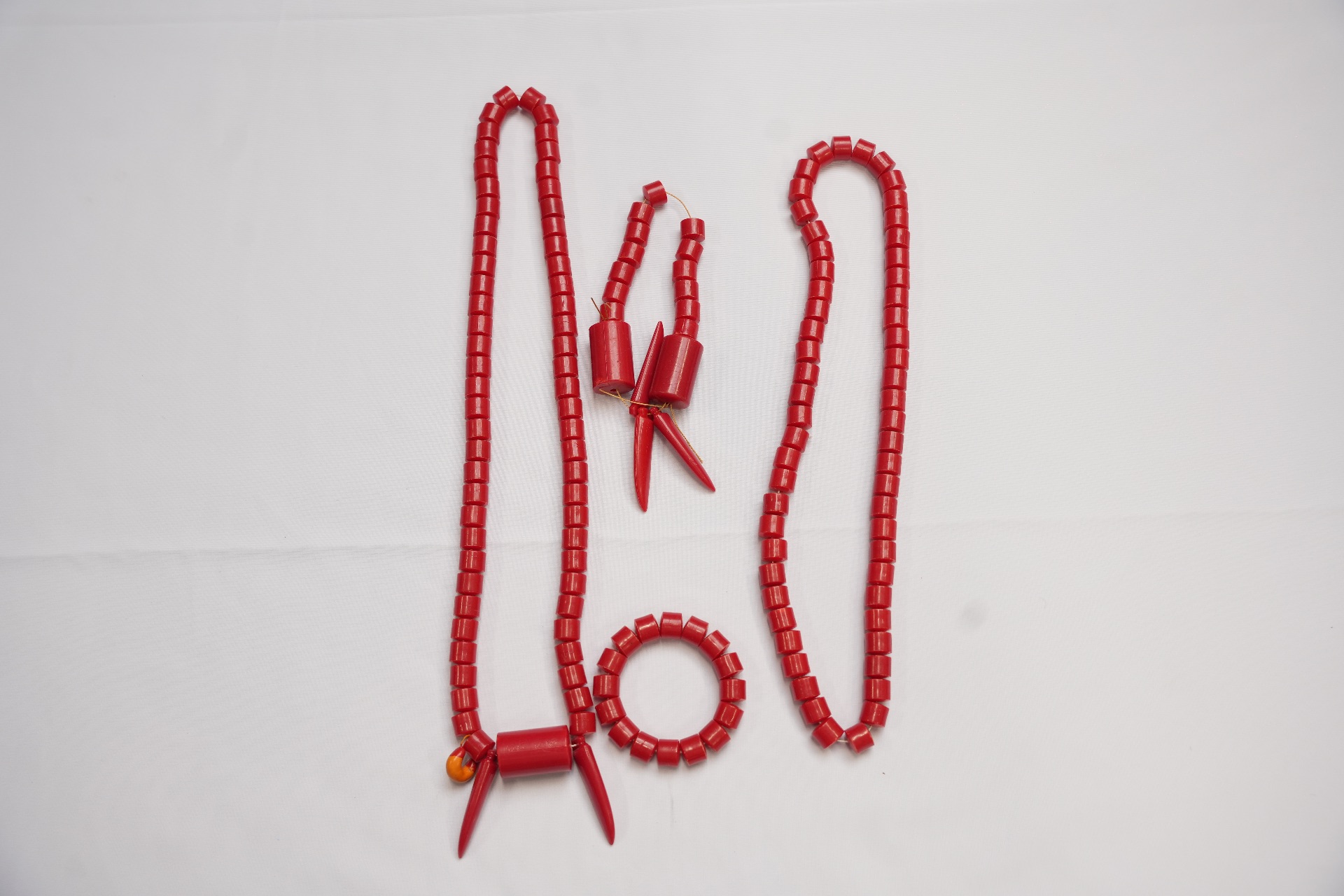
IGBO NECKLACE & BRACELET
Igbo jewelry set/necklace and bracelet
A set of red Igbo jewelry, consisting of a necklace and
bracelet, is a traditional adornment worn by the Igbo
people of southeastern Nigeria. These jewelry pieces
are not only decorative but also carry cultural, social,
and symbolic significance, often associated with
status, identity, and ceremonial occasions.
Materials and Construction
Beads: Made from coral beads, glass beads, or
red-dyed seeds, known for their vibrant, deep red
color.
Stringing: Beads are strung on strong thread, wire, or
traditional fiber, carefully arranged to create uniform
patterns or intricate designs.
Components:
Necklace: Can be a single strand or multiple strands
layered for a bold, regal appearance.
Bracelet: Typically a matching design, either single or
stacked to complement the necklace.
Design Characteristics
Color: The red hue is striking and symbolizes vitality,
power, and status.
Style: Beads may be uniform in size or interspersed
with metal or decorative spacers for added texture
and elegance.
Length: Necklaces can range from short chokers to
long multi-strand pieces, while bracelets are usually
snug-fitting around the wrist.
Cultural Significance
Symbol of prestige: Red coral beads are traditionally
associated with wealth, royalty, and high social
standing.
Ceremonial use: Worn during weddings, festivals,
chieftaincy title ceremonies, and other important
events.
Identity and heritage: Demonstrates Igbo cultural
pride and connects the wearer to ancestral traditions.
Modern Use
Today, red Igbo jewelry sets are worn both in
traditional ceremonies and contemporary fashion,
bridging heritage and style. They are often paired with
traditional attire such as George wrappers, lace
blouses, or ceremonial gowns, highlighting the
wearer’s elegance and cultural roots.
In summary, a red Igbo necklace and bracelet set is a
vibrant expression of Igbo artistry, cultural identity,
and social status, combining beauty, symbolism, and
100 300 500 x
tradition in one striking ensemble.
Value: $100.00
|
|
|
Pandeiro,
This handcrafted Pandeiro is a traditional West African Influenced frame drum, widely used across African and Afro-brazilian music traditions. Featuring a wooden frame and tightly stretched drumhead, it produces bright, lively tones and crisp jingles that make it essential for rhythmic accompaniment in dance, storytelling and ceremonial music.
Value: $90.00
|
|
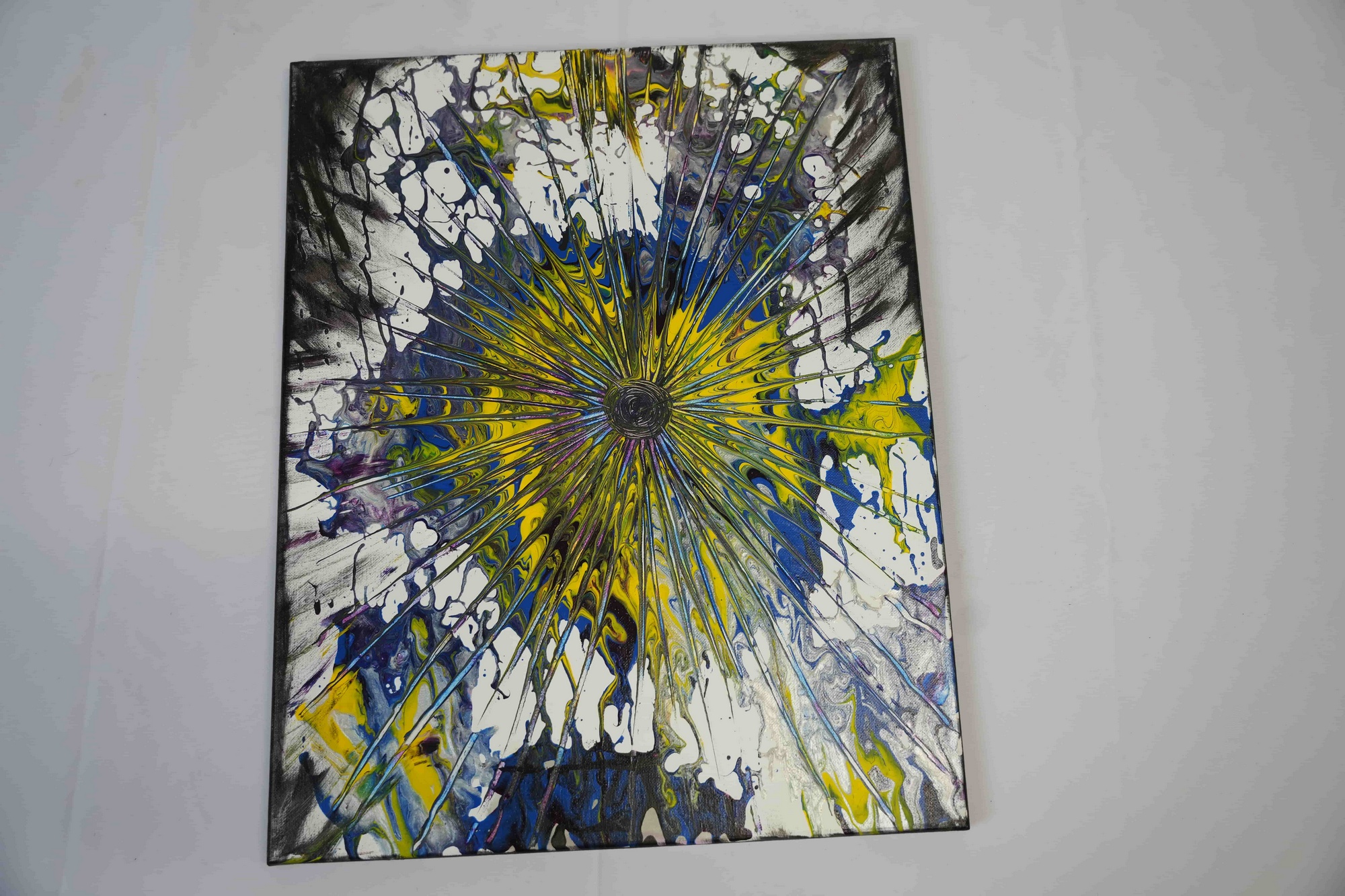
Jackson Pollock Style Painting
An electrifying fabric pattern inspired by the expressive energy of jackson pollocks abstract style. Layers of colour collide and scatter across the surface in spontaneous rhythm, creating movement, depth and visual tension. There is no single focal point,only flow each glance reveals something new.This fabric celebrates freedom,emotion and creative rebellion making it ideal for statement fashion pieces,bold interior accents or contemporary art installations.A canvas that refuses to sit still.
Value: $200.00
|
|
|
Hand crafted GRIS-GRIS
In West African culture , particularly among the Mande,Wolof and Fulani peoples, A Gris-Gris is a protective amulet or charm. It was used to ward off the “evil eye”, protect the wearer from physical harm or to bring good luck in business and health. The tradition is a blend of indigenous spiritual beliefs and islamic influence, common across Senegal, Mali, Guinea and Burkina Faso.A Gris-Gris is rarely just the outer shell, its power lies in what is hidden inside, the outer shell usually a small, handcrafted leather pouch, often rectangular or square, dyed in shades or red, black or Natural tan. The “Medicine” inside the puch, a marabout(holy man/spiritual healer) places sacred items, these may include herbs,roots. The pouch is sewn shut with thick leather thread, intended never to be opened. If the seal is broken, the charm is believed to lose its power.This artefact embodies meaning and intrigue.
Value: $100.00
|
|
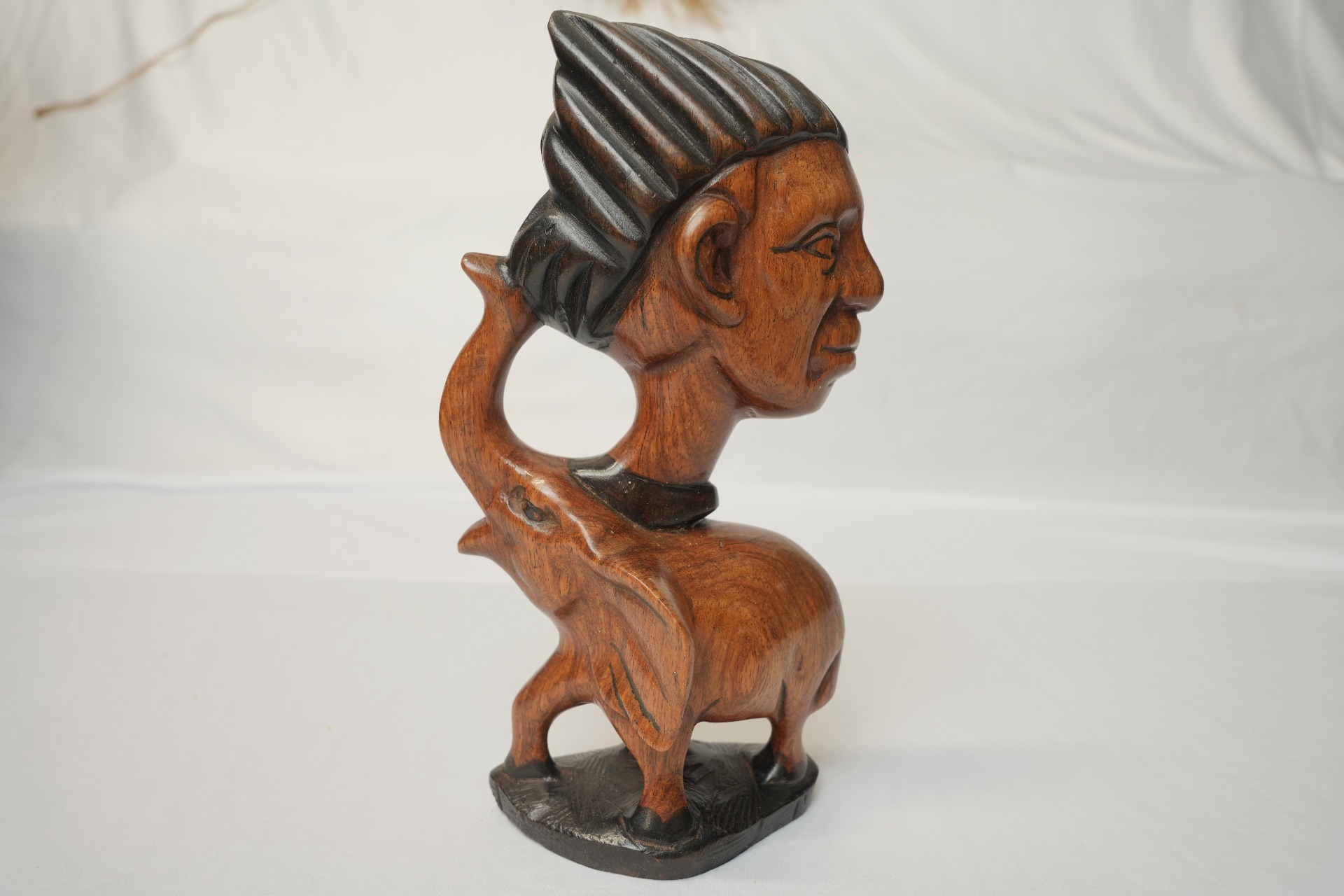
Hand-Crafted Wooden Sculpture (man on an elephant)
A carved wooden sculpture symbolizing strength and leadership, themes often represented in West African art</span>
Value: $75.00
|
|
|
Manilla(Mkporo/okpoko)
This perfectly hand crafted piece is historically known as “bracelet currency” of the region. The meaning of “okpoko” in the Efik and Ibibo languages in Nigeria translates to “money” or “brass”. Before the adoption of paper money, these were used for market purchases, paying fines and as a standard for bride price. They were often buried with the deceased to provide them with wealth and status in the afterlife.The “Operation Manilla” in 1948 Is when the colonial government carried out a massive recall to replace manillas with official british West African coins. Over 32million Manillas were collected and melted down.
Value: $180.00
|
